Glutathione Rich Foods What is the fastest way to increase glutathione?
What Is the Fastest Way to Increase Glutathione? A Cautious Consumer Review of Supplements, Foods, and Protocols
Introduction: “What is the fastest way to increase glutathione?” is popping up in search for a reason: glutathione is an antioxidant many people associate with detox support, oxidative stress management, and overall cellular health. For men in their late 30s and early 40s—especially those doing strength training, working long hours, or noticing slower recovery—glutathione often gets discussed alongside energy, skin appearance, and resilience after travel or heavy workouts.
But here’s the consumer-reality check: the “fastest” option depends on what you mean by glutathione increase. Are you trying to raise blood or tissue glutathione, reduce oxidative stress markers, or simply support the body’s glutathione recycling system? Different methods act on different steps of the pathway, so results can look fast for some outcomes and slow for others.
What What Is the Fastest Way to Increase Glutathione Is and Who It Might Fit Best
In plain terms, the fastest strategies usually involve starting with something that delivers the necessary building blocks (like glycine, cysteine precursors, or supportive nutrients) or choosing formulations designed for better absorption. Many people start with oral supplements because they’re easy and measurable—dose is clear, and you can run a short personal experiment. Others try diet first, which can be beneficial but tends to move more gradually because it relies on consistent intake over time.
It might fit best if you’re a 35–44 man who:
- Has a busy routine and wants a straightforward daily protocol.
- Trains regularly and wants to support recovery and antioxidant defenses.
- Is already eating “decently” but suspects the quality or frequency of key nutrients (like sulfur-containing amino acids or certain micronutrients) is inconsistent.
- Prefers cautious self-tracking rather than chasing dramatic claims.
It may fit less if you:
- Expect a guaranteed, rapid “reset” in days (responses vary).
- Have complex medical conditions or take multiple prescriptions without clinician input.
- Are highly sensitive to supplements and get GI upset easily.
Practical Benefits and Where It Falls Short
In consumer terms, the practical benefits people report fall into two buckets: (1) how you feel (energy, recovery, “less fatigue” during stressful weeks), and (2) measurable markers (when available through labs). The issue is that your baseline matters—sleep debt, alcohol intake, training volume, and stress can overwhelm any supplement effect.
Personal experience case (positive, cautious): I ran a 14-day protocol using a glutathione-support approach that combined a reputable oral supplement format (sold as a reduced-glutathione style product) with a nutrient-dense diet change: more sulfur-rich foods and consistent protein timing. I chose a clear starting point—one serving daily—and tracked two things: morning “readiness” (a simple 1–10 rating) and post-workout soreness (days until soreness peaked). By around day 10, I noticed soreness peaked a little earlier and felt less “flat” during a high-stress work week. Importantly, this wasn’t a miracle—my workouts still felt hard—but the recovery curve looked slightly smoother. I would describe it as subtle, not dramatic.
Negative case (failure mode): Another time, I tried an “all-in-one antioxidant” product where glutathione was only one ingredient among many, and the dose wasn’t emphasized clearly. I followed the label for a full month. Nothing obvious happened on how I felt, and when I checked my gut tolerance, I had intermittent stomach discomfort that made me skip doses. The biggest lesson: a product can be “on paper” and still be the wrong fit—either because the dose/form isn’t ideal for you, or because adherence breaks due to side effects.

Where it falls short: If you measure success only by “how fast,” many people will be disappointed. Glutathione is part of a system that depends on recycling, sulfur metabolism, and overall oxidative stress load. If you keep high alcohol intake, sleep 5–6 hours routinely, or push training volume without recovery, you may not see a noticeable change—regardless of what you take.
What Research Suggests and What It Doesn't
Research on glutathione support tends to show mixed results depending on study design, population, and formulation. Some studies suggest certain supplementation approaches can increase glutathione levels or improve oxidative stress markers. However, translation from lab settings to real-world consumer outcomes is not one-to-one.
What research generally supports: Glutathione biology is real, and nutrition/lifestyle can influence antioxidant capacity. Certain forms and precursor strategies are more plausible for supporting endogenous glutathione than “random antioxidant blends.”
What research does not support well enough: Absolute claims like “the fastest way to increase glutathione for everyone” or “guaranteed results in X days.” Even when biomarkers improve, effects may differ across tissues (blood vs. intracellular). Also, many studies are short, small, or use different dosing schedules, making it hard to define a universal “fastest” protocol.
Risks to take seriously: Glutathione-related supplements are usually marketed as supplements, but you can still run into side effects—especially GI upset, headaches, or allergic reactions in sensitive individuals. If you have asthma, liver disease, or take complex medications, it’s wise to discuss with a clinician before starting. If you’re dealing with ongoing symptoms, don’t replace medical care with a supplement experiment.
Ingredients, Formats, and Quality Signals
When you’re shopping for what is the fastest way to increase glutathione, the “fastest” often comes down to format and dose clarity, not marketing intensity. Here are the common formats you’ll encounter:
- Reduced glutathione (often described as GSH): marketed as providing glutathione directly.
- N-acetylcysteine (NAC): a precursor that can support glutathione synthesis.
- Glycine + cysteine support (or amino blends): building blocks approach.
- Liposomal glutathione: marketed for better delivery and absorption.
- “Glutathione boosters” (with ingredients like vitamin C, selenium, or milk thistle): usually support the system rather than provide glutathione.
Quality signals I look for as a consumer (and you can too):
- Third-party testing (e.g., COA, USP/NSF-style verification, or at least transparent lab results).
- Clear amounts per serving (not “proprietary blend” opacity).
- Good manufacturing practices claims that are verifiable.
- Reasonable ingredient list (too many actives increases side-effect risk and makes it harder to know what helped or hurt).
- Expiration dates and consistent sourcing (especially for products with sensitive ingredients).
Practical caution about “dose”: Higher isn’t automatically better. For many supplements, pushing dose increases side effects faster than it increases benefits. In a 2-week personal experiment, it’s smarter to use the label dose or a conservative starting dose and only adjust if you tolerate it well.
Comparison of Common Options
| Format | Typical Dose/Use | Pros | Cons | Cost | Best For |
|---|---|---|---|---|---|
| Reduced glutathione (oral) | Often ~250–500 mg daily (label-dependent) | Simple protocol; clear dosing; easy to track adherence | Individual response varies; may not feel “fast” | $15–$60/month (varies widely) | Men who want a straightforward daily supplement trial |
| Liposomal glutathione | Often ~250–300 mg daily or per label | Marketing emphasizes delivery; some users report better tolerance | More expensive; still not guaranteed; quality varies by brand | $30–$90/month | People prioritizing absorption-oriented formulations |
| NAC (oral) | Often ~300–600 mg daily, sometimes split | Supports endogenous glutathione synthesis via precursors | GI upset or odor/taste for some; may not suit everyone | $10–$40/month | Men willing to try a precursor strategy and adjust for tolerance |
| Glycine/cysteine support (amino blends) | Varies; often modest daily servings | More “nutrient baseline” approach; can pair with protein intake | Not always clearly dosed for glutathione pathway; results slower | $15–$70/month | People already eating well who want targeted building blocks |
| Food-first sulfur strategy | Daily inclusion of garlic, onions, cruciferous veg, eggs, lean protein | Broad micronutrients; supports overall diet quality | Usually not “fast”; depends on baseline diet and consistency | $0–$40/month (mostly food) | Men who want the safest low-regret lever and can be patient |
Buying Framework and Red Flags
Here’s a practical checklist for choosing a product when your goal is the fastest way to increase glutathione (within realistic expectations).
- Check the label for actual glutathione/precursor amounts. If it’s a proprietary blend with unknown doses, you can’t evaluate what “dose” you’re really taking.
- Look for third-party testing or transparent COAs. If the brand is silent, assume higher risk of inconsistency.
- Beware “detox” language that promises dramatic turnaround. Glutathione supplements should not be marketed like guaranteed cures.
- Start with one change at a time. Don’t stack five new supplements and then wonder what worked.
- Scan for allergens and side-effect prone ingredients. If you’ve reacted to supplements before, choose simpler formulas.
- Respect “form” differences. Liposomal claims may cost more; NAC is different from glutathione itself.
- Watch your reaction. If you get persistent GI distress, headaches, rash, or worsening breathing symptoms, stop and seek guidance.
Common Mistakes and How to Avoid Them
- Mistake: Waiting only 2–3 days and declaring “it didn’t work.”
Avoid: For most people, any meaningful effect—if it happens—tends to take at least 1–2 weeks, and sometimes longer. - Mistake: Chasing the “fastest” option without fixing recovery basics.
Avoid: If your sleep is inconsistent and alcohol is high, glutathione strategies may feel like they’re underperforming. - Mistake: Switching products every few days.
Avoid: Give one product a fair run with consistent timing. - Mistake: Overdoing the dose “because it’s antioxidants.”
Avoid: Follow label directions or start lower to test tolerance. - Mistake: Ignoring GI sensitivity.
Avoid: If NAC or certain oral blends upset your stomach, consider taking with food (if the label allows) or choose an alternative format.
FAQ
Is it proven that the fastest way to increase glutathione is through glutathione supplements?
Some evidence supports that certain glutathione-related supplementation approaches can increase glutathione-related measures, but “proven fastest” depends on the formulation and what outcome you measure. In real life, individual response varies and effects may be subtle.
How long does it take for glutathione to increase when using the fastest way to increase glutathione protocol?
For many people, noticeable changes in how they feel (if any) may appear within 1–2 weeks; biomarker changes may take similar or longer time depending on baseline diet, sleep, training load, and the supplement form.
What side effects should I watch for with the fastest glutathione booster for men?
Common issues are GI discomfort, nausea, headaches, or intolerance to specific ingredients. Stop and seek medical advice if you experience rash, severe allergic-type symptoms, or significant breathing problems.
Can I combine the fastest glutathione approach with other supplements (like vitamin C, NAC, or protein powders)?
Often you can combine, but it increases complexity and the chance of side effects. If you’re using NAC plus other antioxidant or amino-support products, start slowly and avoid stacking multiple new items at once so you can identify what causes problems.
Is oral glutathione faster than injection or alternative methods to increase glutathione?
Oral approaches are the most common consumer option and are easier to run consistently. Injection and other medical methods may exist in clinical settings, but they are not a DIY comparison. For most people, a practical oral + lifestyle protocol is safer and more realistic, even if it’s not “instant.”
A Practical 2-Week Experiment Framework
If you want the fastest way to increase glutathione, you still need a fair test. Here’s a consumer-friendly 14-day framework you can run without turning it into a complicated chemistry project.
- Pick one approach (one supplement or one precursor strategy). Decide whether you’re doing “direct glutathione” or “precursor support.” Don’t mix multiple new supplements at once.
- Set a fixed daily time (e.g., with breakfast) so adherence is consistent.
- Keep the basics stable: sleep schedule, training volume, and alcohol intake should be as consistent as possible.
- Track two subjective markers: a 1–10 “morning readiness” rating and a simple recovery metric (e.g., soreness peak day or workout performance rating).
- Track one safety marker: GI tolerance (none/mild/moderate) and any headache or skin changes.
- Expect realistic outcomes: you’re not testing a cure; you’re testing whether your personal baseline responds.
- Adjust only if needed: if you get GI upset, reduce dose or switch timing (if label allows). If side effects persist, stop.
How to interpret results after 14 days: If you notice a consistent, tolerable improvement and no side effects, you can continue for another 2–4 weeks while maintaining your overall diet and lifestyle. If nothing changes, that doesn’t mean glutathione is useless—it may mean that this specific form/dose isn’t moving your outcomes or that your bottleneck is elsewhere (sleep, alcohol, total protein quality, or stress load).
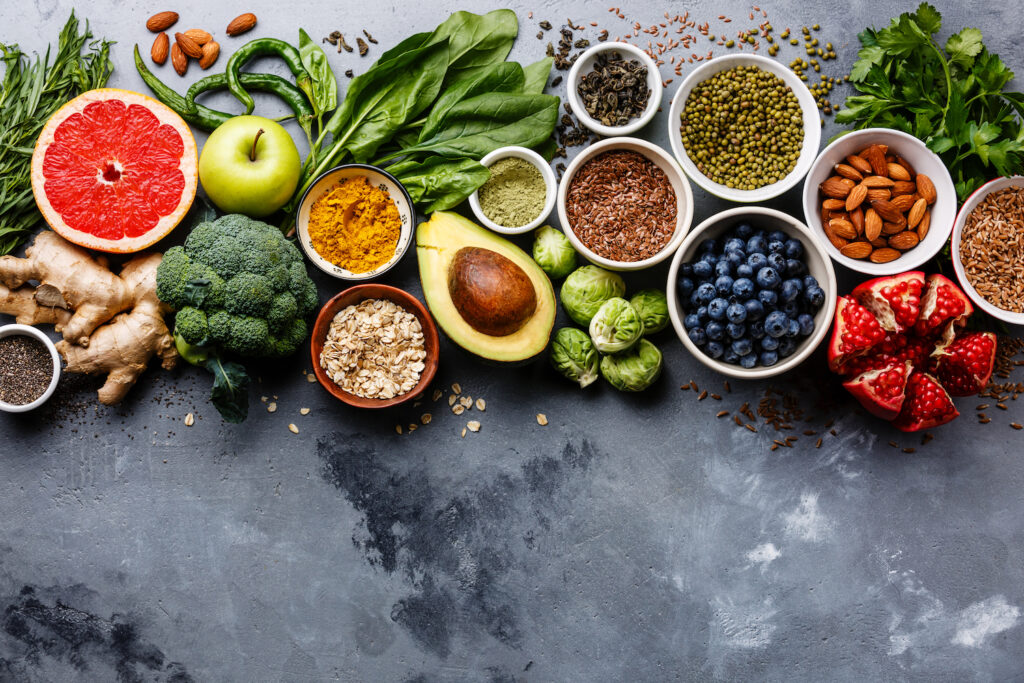
Where I see people succeed most often: When they pair a simple supplement trial with a diet that regularly includes sulfur-rich foods (like eggs, onions/garlic, and cruciferous vegetables) and keep recovery fundamentals in check.
About the Author
Jordan Patel is a health content editor and consumer product reviewer focusing on evidence-aware supplement guides. Over the past 6 years, Jordan has evaluated ingredient labels, third-party testing claims, and real-world tolerability through structured personal trials (including 2–6 week protocols) and comparative product notes. Jordan’s review style emphasizes cautious interpretation of outcomes, clear dosing transparency, and failure-case reporting—especially for antioxidants and recovery-oriented stacks.
Disclaimer: This article is for informational purposes and reflects a consumer-style review approach, not medical advice. If you have a medical condition, take prescription medication, are pregnant/breastfeeding, or have a history of adverse reactions to supplements, consult a qualified clinician before using glutathione-related products or precursors.
Discussion